A midnight trip to the bathroom, a cluttered pathway, or a bed that’s difficult to get in and out of may not seem like major concerns today. Over time, however, small obstacles in the bedroom can become larger safety risks.
Whether you’re planning ahead for yourself or helping an aging loved one, simple bedroom modifications can improve comfort, accessibility, and peace of mind.
Bedroom Safety
Creating a safer bedroom often starts with addressing common household hazards. Clear pathways between the bed, doorway, and bathroom, store frequently used items within easy reach, and remove loose rugs or clutter that could create tripping hazards.

Any medical equipment should be positioned safely with cords out of walkways, and windows, locks, and screens should be checked periodically to ensure they remain secure and easy to operate.
Bed Enhancements and Upgrades
Getting in and out of bed is one of those everyday tasks that rarely gets a second thought until it becomes difficult. A bed that’s too high, too low, or lacking proper support can make mornings and nighttime routines more challenging than they need to be.
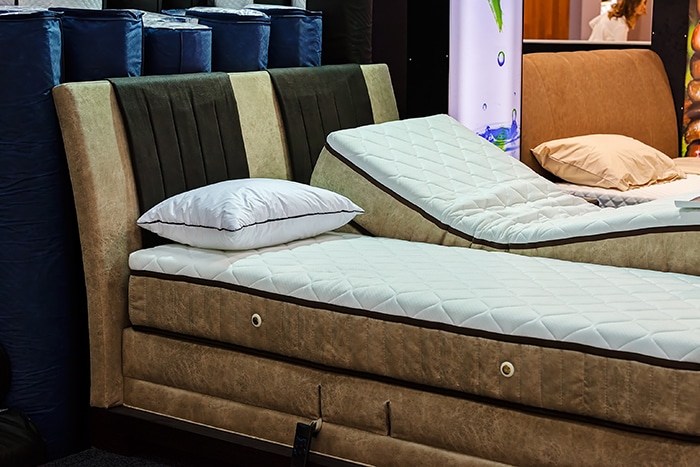
Adjustable beds, assist rails, and motion-activated under-bed lighting can help make those transitions safer and more comfortable. For those considering a mattress upgrade, comparing mattress reviews or exploring options designed for back pain may help narrow the search.
Bedding should also be kept clear of the floor, since loose fabric can create an unnecessary tripping hazard.
When a Bedroom on the First Floor Isn’t an Option
Not every aging-in-place plan includes a first-floor bedroom. Sometimes the master bedroom is upstairs, and sometimes moving rooms simply isn’t practical. When stairs remain part of daily life, small details such as sturdy handrails, good lighting, and clear walking surfaces can make a difference.
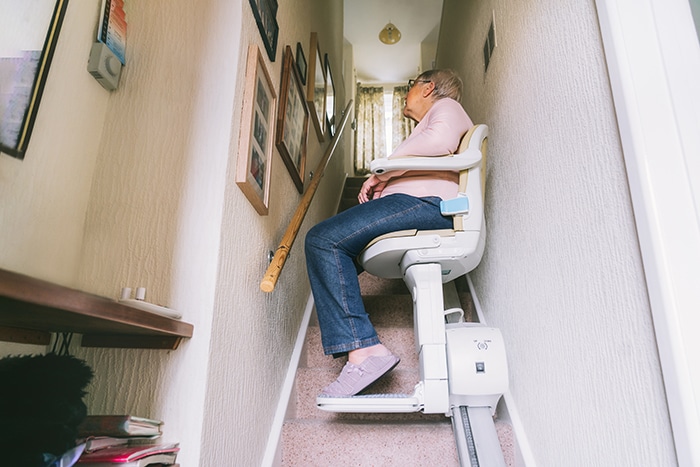
For those facing greater mobility challenges, a stair lift may offer a way to continue using an upper-floor bedroom without the strain of climbing stairs multiple times a day.
Furniture and Flooring
Think about the path you take through the bedroom each day: getting out of bed, reaching for a dresser drawer, or making your way to the closet in the dark. The furniture and flooring along that route should support those movements rather than create obstacles.

Stable furniture can provide a steady point of contact when needed, while well-maintained flooring can make it easier to move safely throughout the room. For couples refreshing their sleep setup, this may also be a good time to explore mattresses that help minimize movement from one side of the bed to the other.
Lighting
As eyesight changes with age, lighting often becomes more important than people realize. Tasks that once felt effortless, such as reading a book, picking out clothes, or walking across the room at night, may require a little more illumination, particularly for individuals experiencing vision loss.

Layering the bedroom with overhead lighting, reading lamps, and motion-activated night lights can make everyday activities more comfortable while reducing the likelihood of missteps in dimly lit areas.
Technology and Phone Access
Whether it’s calling a family member, reaching emergency services, or simply turning on a light without getting out of bed, technology can make everyday life a little easier.
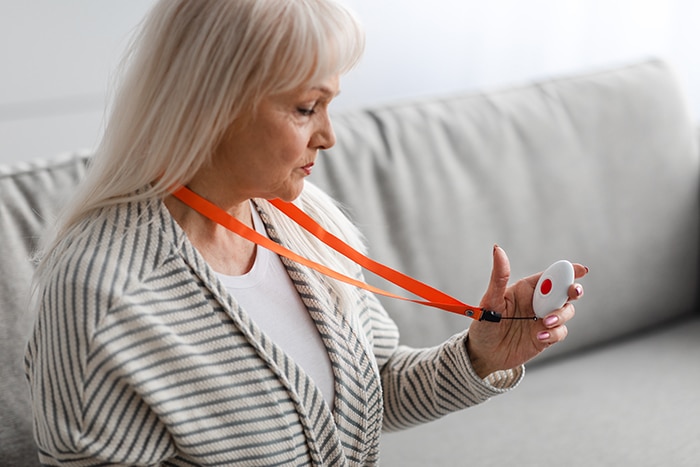
Keeping a phone within arm’s reach of the bed and updating important contacts regularly can help ensure help is available when needed. Devices such as medical alert systems and smart speakers may offer additional convenience, while charging stations and power cords should be positioned where they won’t create obstacles.
If a bedroom refresh includes a new mattress, some sleepers may also benefit from exploring options designed for cooling if overheating regularly disrupts their sleep.
Additional Aging in Place Resources
- National Institute on Aging – Aging in Place Overview
- CDC – STEADI Patient & Caregiver Resources
- HHS.gov – Caregiver Resources & Long-Term Care
- MedlinePlus – Older Adult Health
- NCOA – Aging in Place Resource Hub
- Alzheimer’s.gov – Resources for Caregivers
- Family Caregiver Alliance – Caregiving at Home
- U.S. Department of Veterans Affairs
- AARP – Prevent Falls at Home
- University of Nebraska Medical Center – Home Safety Tools
- CICOA – Fall Prevention & Home Safety Tips