As the sun goes down and most animals begin settling in for the night, another group is just waking up. Silent wings cut through the darkness in search of insects, fruit, and other nighttime meals. While many people only think about bats around Halloween, these remarkable mammals spend every night performing important jobs in ecosystems around the world.
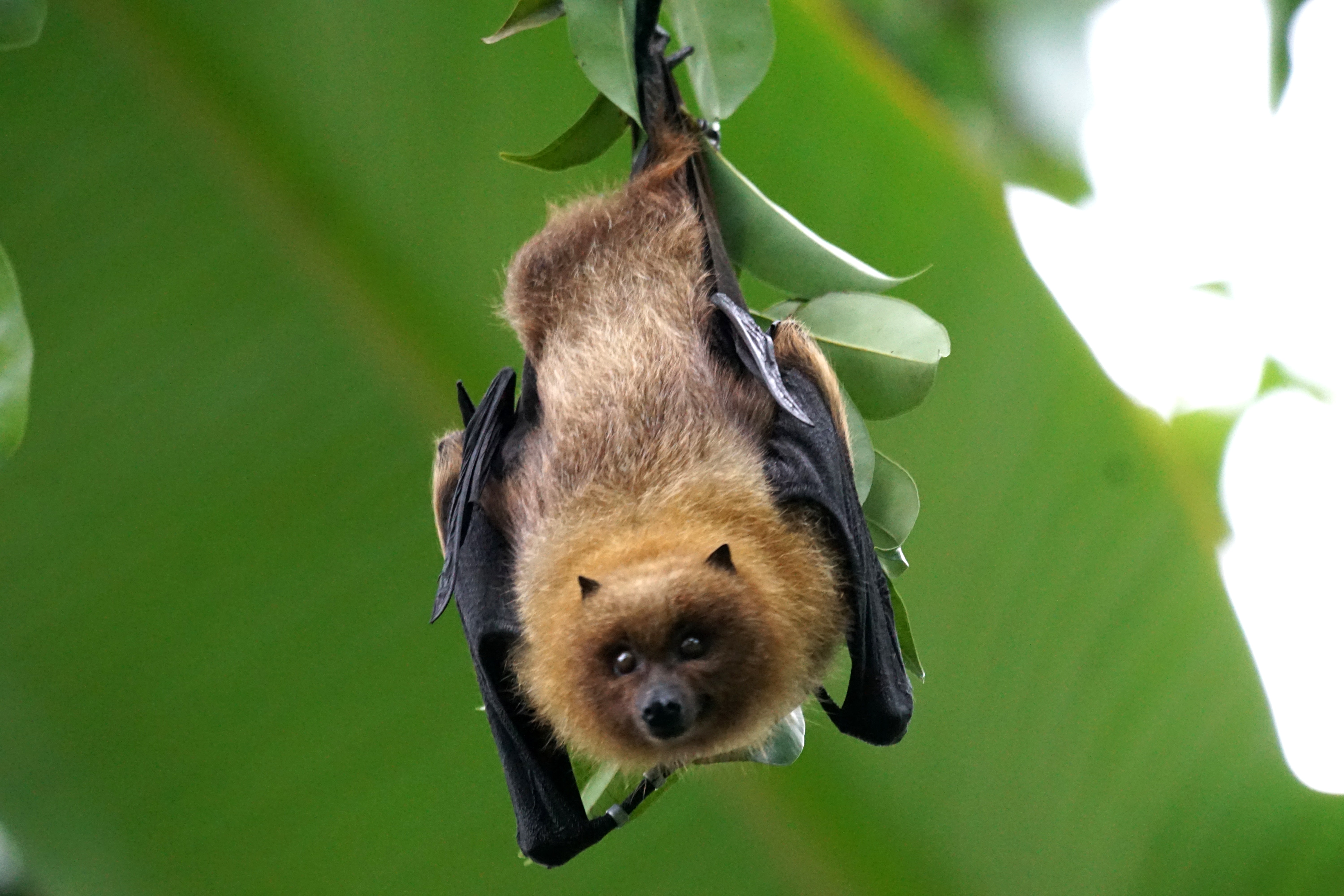
From tropical rainforests to dry deserts, these animals have adapted to an impressive variety of environments. Some are small enough to fit in the palm of your hand, while others have wingspans stretching several feet across. Scientists have identified more than 1,400 species, making bats one of the largest groups of mammals on Earth.
One of the things that makes bats so fascinating is their unusual daily schedule. Most species spend the daytime resting in caves, trees, and other sheltered places before becoming active after sunset. Being active at nighttime helps them find food, avoid predators, and travel more safely through their environment. From their ability to fly to their use of echolocation, bats have developed adaptations that make them unlike any other mammal.
Basic Facts About Bats
- Some bat species can detect objects as thin as a human hair using echolocation.
- Bats are mammals, so they have fur and feed milk to their babies.
- They are the only mammals capable of true, sustained flight.
- The scientific order for bats is Chiroptera, a name that means “hand wing.”
- Some bat species weigh only a few grams, while the largest can have wingspans reaching 6 feet.
- Most bats are active at night and spend the daytime resting in safe locations called roosts.
- Mother bats can recognize their own pups by sound and scent, even within large colonies.
- Insect-eating bats can consume hundreds or even thousands of insects during a single night.
- While insects are the most common food source, some bats also eat fruit, nectar, pollen, fish, frogs, or small animals.
- Only three bat species are considered vampire bats that feed on blood.
- Bat colonies can range from a few individuals to thousands living together in the same roost.
- Many bats sleep upside down, allowing them to launch into flight quickly if threatened.
- Some species can live for more than 30 years, which is unusually long for small mammals.
- Bat wings are made of thin skin stretched between elongated finger bones.
- Bats play an important role in nature by controlling insect populations.
Size
Imagine an animal with a wingspan as wide as a human adult is tall. Now imagine another that could fit comfortably in the palm of your hand. Both are bats.
The world’s largest bats are flying foxes, some of which can spread their wings nearly 6 feet across. Despite their impressive size, these bats are not very heavy: most weigh only a few pounds. At the opposite end of the spectrum is the bumblebee bat, one of the smallest mammals on Earth. It weighs only a few grams and has a wingspan of about 6 inches.
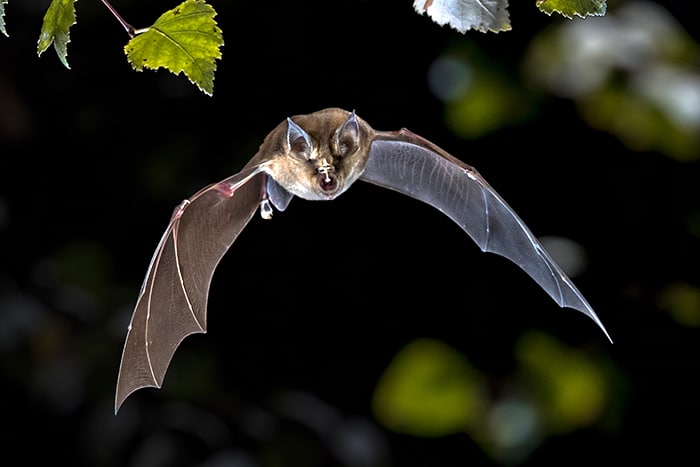
Scientists often place bats into two broad groups: megabats and microbats. Megabats include fruit bats and flying foxes, which are generally larger species. Microbats are usually smaller and include many of the species people commonly associate with bats. Although their sizes vary dramatically, all bats share characteristics that allow them to fly with remarkable agility.
Diet
Despite sharing the same ability to fly, bat species have developed surprisingly different diets. What a bat eats often depends on where it lives and the adaptations it has evolved over time. Some hunt fast-moving insects in complete darkness, while others visit flowers in search of nectar or travel through forests looking for ripe fruit.
Insect-eating bats are among the most common. Using echolocation, they can detect and catch mosquitoes, moths, beetles, and other flying insects while in flight.
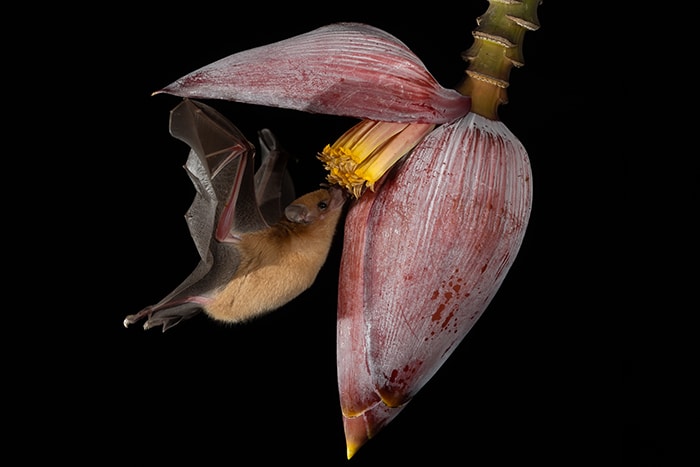
Not all bats are insect hunters, however. Many species feed on fruit, nectar, pollen, leaves, flowers, fish, or small animals. Fruit-eating bats help disperse seeds across large areas, while nectar-feeding species act as pollinators for many plants. These feeding habits make bats an important part of ecosystems in tropical and subtropical regions.
Among the most specialized are the three species of vampire bats found in the Americas. Rather than hunting prey, they feed on the blood of livestock and wild animals. Their sharp teeth create a small cut in the skin, allowing them to consume a relatively small amount of blood before moving on.
Habitat
A bat’s home can look very different depending on the species. Some roost in caves, while others settle in hollow trees, rock crevices, barns, bridges, or even attics. These sheltered locations provide protection from predators and harsh weather, giving bats a safe place to rest between nighttime activities.
Unlike many mammals, bats spend much of their sleeping time hanging upside down. Special adaptations in their feet allow them to grip surfaces with very little effort, making this position an efficient way to sleep. Hanging upside down also allows bats to take flight quickly if they need to escape danger.
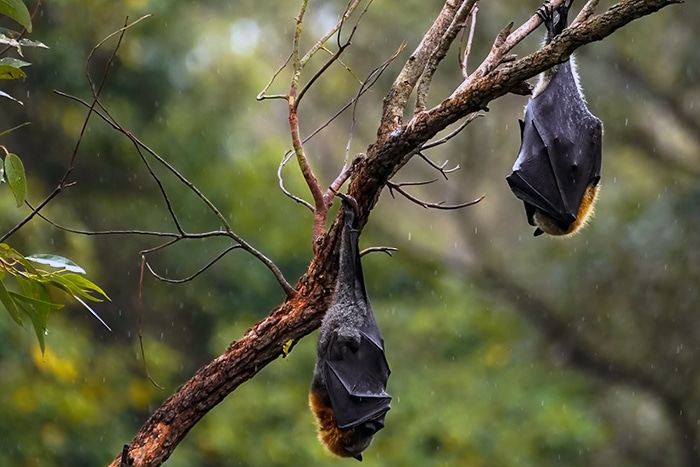
The places bats choose to roost are often found in forests, deserts, grasslands, farmland, and tropical rainforests. Their ability to adapt to different environments has helped them spread across nearly every continent. Only Antarctica and the Arctic, and a few remote islands lack native bat populations.
Most species sleep during the day and become active after sunset. This schedule helps them avoid many daytime predators while taking advantage of food sources that are more active at night. During a single evening, some bats may travel many miles in search of insects, fruit, nectar, or other foods before returning to their roost before sunrise.
When temperatures drop, not all bats respond the same way. Some migrate to warmer regions, while others enter a state called torpor, reducing their activity and conserving energy until food becomes easier to find.
Mating Habits
For many bat species, late summer and early fall mark the beginning of the breeding season. During this time, males may attract potential mates through vocalizations, aerial displays, and other courtship behaviors. In some areas, large groups gather and swarm around breeding sites before pairing off.
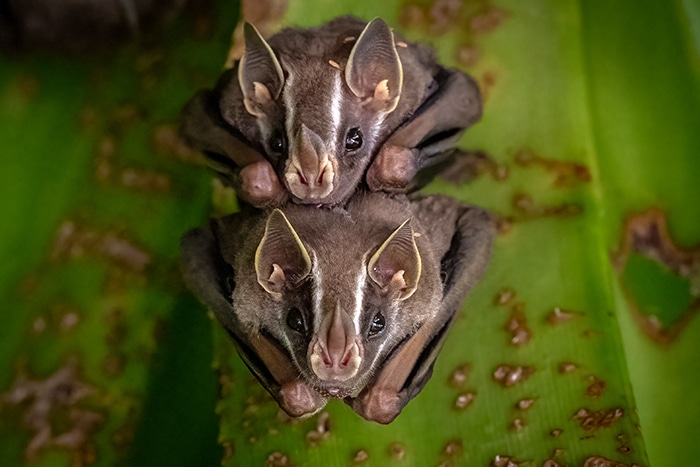
One of the more unusual features of bat reproduction is timing. In many species, females can store sperm throughout the winter and delay pregnancy until spring. This allows young bats to be born when temperatures are warmer and food is easier to find.
A baby bat is known as a pup. Most mothers give birth to a single pup, although twins occasionally occur in some species. Newborn pups depend entirely on their mothers for nourishment and protection, drinking milk and remaining close by until they are strong enough to fly on their own.
Conservation Status
From controlling insect populations to pollinating plants and dispersing seeds, bats perform important jobs in ecosystems around the world. While many species remain common, others are facing growing threats that have caused their numbers to decline.
More than 250 bat species are currently considered vulnerable, threatened, or endangered. One of the biggest challenges is habitat loss. When forests are cleared, caves are disturbed, or old roosting sites disappear, bats lose the places they rely on for shelter and raising their young.
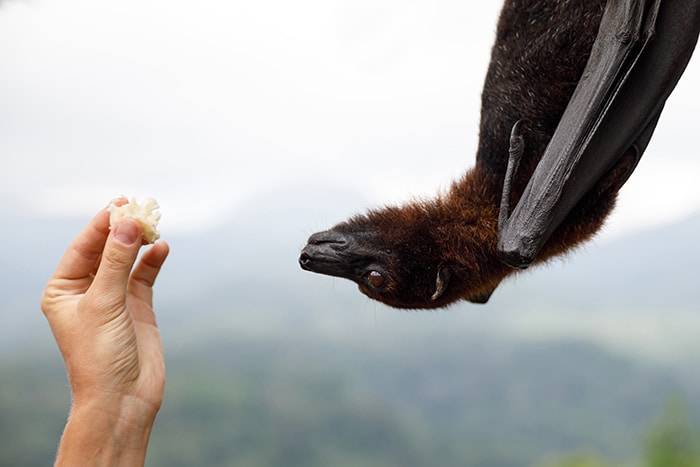
In North America, another major threat comes from white-nose syndrome, a fungal disease that affects hibernating bats. Since its discovery, the disease has spread across many regions and has been responsible for the deaths of millions of bats.
To help protect bat populations, conservation groups and wildlife agencies monitor species, preserve habitats, and educate the public about the role bats play in nature. These efforts help support healthier ecosystems and ensure future generations can continue to benefit from the services bats provide.
Additional Resources
- Smithsonian’s National Zoo & Conservation Biology Institute
- National Park Service
- U.S. Fish & Wildlife Service
- Bat Conservation International
- Library of Congress – Why Do Bats Live in Caves?
- National Wildlife Federation
- University of Michigan Animal Diversity Web
- Penn State Extension
- San Diego Zoo Wildlife Explorers