Most people have experienced a night when they just can’t get to sleep. Maybe it’s due to constantly replaying an awkward conversation, stressing about a big test, or worrying about something important happening the next day. You turn off the lights, close your eyes, and expect to drift off – but your mind has other plans.

While occasional restless nights happen to everyone, anxiety can make sleep problems feel much more common. Instead of fading once the day is over, anxious thoughts can follow you into bed, making it difficult to relax and unwind.
The relationship between anxiety and sleep is often a two-way street. Anxiety can make it harder to fall asleep and stay asleep, while poor sleep can leave you feeling more stressed, overwhelmed, and anxious the next day. Understanding this connection can help explain why sleep sometimes feels out of reach when your mind won’t slow down.
What Is Anxiety?
Imagine you’re waiting to hear back about a college application, preparing for a big presentation, or dealing with an important life decision. Your thoughts keep circling back to the same thing, your stomach feels tight, and it’s hard to focus on anything else.

That’s anxiety at work. Anxiety is your mind and body’s way of preparing for uncertainty, challenges, or situations that feel significant. In many cases, it’s completely normal and temporary. Once the event has passed, those worried feelings often fade as well.
For some people, however, anxiety doesn’t disappear so easily. They may find themselves worrying frequently, feeling on edge, or struggling to relax even when there’s no immediate problem to solve. When that happens, anxiety can begin to affect different parts of daily life, including sleep.
How Anxiety Affects Your Body
Anxiety isn’t just something that happens in your mind. It can affect your entire body as well.
Think about a time when you were nervous before a presentation, an exam, or an important conversation. Your heart may have started beating faster, your palms might have become sweaty, or you may have felt a knot in your stomach. These are all signs that your body is preparing to respond to a situation it sees as urgent or stressful.

This reaction is often called the “fight-or-flight” response. It’s designed to help you react quickly when facing a challenge. As part of that process, your body releases hormones that can lead to physical symptoms such as:
- A faster heart rate
- Sweating
- Muscle tension
- Headaches
- Dry mouth
- Restlessness
- Upset stomach
- Rapid breathing
In short bursts, these responses can be helpful. The problem is that when anxiety sticks around, your body may stay on high alert for longer than necessary. Over time, that can make it much harder to relax, unwind, and get the restful sleep your body needs.
Why Anxiety Makes It Hard to Sleep
Sometimes, after an active day, you can climb into bed feeling exhausted, but you still find yourself wide awake a few minutes later. Your body is tired, but your mind keeps replaying worries, thinking about tomorrow, or jumping from one thought to another.

That’s because falling asleep requires both the mind and body to slow down. Anxiety can interfere with that process.
When anxious thoughts are racing through your mind, it can be difficult to relax enough to fall asleep. You may find yourself replaying conversations, worrying about future events, or thinking through problems late into the night.
At the same time, the physical effects of anxiety can make rest uncomfortable. A racing heart, tense muscles, or feelings of restlessness can make it harder to settle into bed. Physical discomfort from other sources, such as ongoing back pain, may also make it more difficult to relax and fall asleep.
As a result, people experiencing anxiety may:
- Take longer to fall asleep
- Wake up more often during the night
- Have trouble falling back asleep
- Feel tired even after spending enough time in bed
Some people also describe themselves as “light sleepers,” meaning they wake up easily from noises or small disturbances during the night.
How Lack of Sleep Can Make Anxiety Worse
Unfortunately, the relationship doesn’t stop there.
During sleep, the brain processes information, regulates emotions, and recovers from the stress of daily life.
Think about how you feel after a poor night’s sleep. Small inconveniences may seem more frustrating than usual, it can be harder to focus, and tasks that normally feel manageable might suddenly feel overwhelming. Many people also find themselves feeling more emotional, impatient, or stressed.

When you don’t get enough quality sleep, your ability to cope with everyday challenges may be reduced. As a result, worries may seem stronger, more frequent, or more difficult to manage.
Sleep deprivation can also make it harder to concentrate and make decisions, which may create additional stress throughout the day. If you’re already feeling anxious, that extra stress can add fuel to the fire.
Even one poor night of sleep can affect mood and stress levels. Over time, ongoing sleep problems may contribute to a cycle where anxiety and poor sleep continue to reinforce one another.
The anxiety-sleep cycle often looks something like this:
- Anxiety causes worry and physical tension.
- Worry and tension make it harder to fall asleep.
- Poor sleep leads to fatigue the next day.
- Fatigue makes it more difficult to manage stress.
- Anxiety increases again.
- The cycle repeats.
This cycle can be frustrating because both anxiety and poor sleep may feed into one another. Over time, what starts as an occasional restless night can begin to feel like an ongoing pattern.
The good news is that even small improvements to your sleep environment and daily habits can help support better rest and make it easier to establish healthier sleep routines.
Strategies to Improve Sleep When You’re Feeling Anxious
If you’ve ever spent a night tossing and turning, you know how tempting it can be to look for a quick fix. Unfortunately, improving sleep usually isn’t about making one big change overnight. More often, it’s the small habits you practice every day that make the biggest difference.
While there’s no single solution that works for everyone, healthy sleep habits can help to support better rest. Here are several strategies to try:
Maintain a Consistent Sleep Schedule
Your body likes routine. Going to bed at midnight one night and 9 p.m. the next can make it harder for your internal clock to tell when it’s time to sleep.
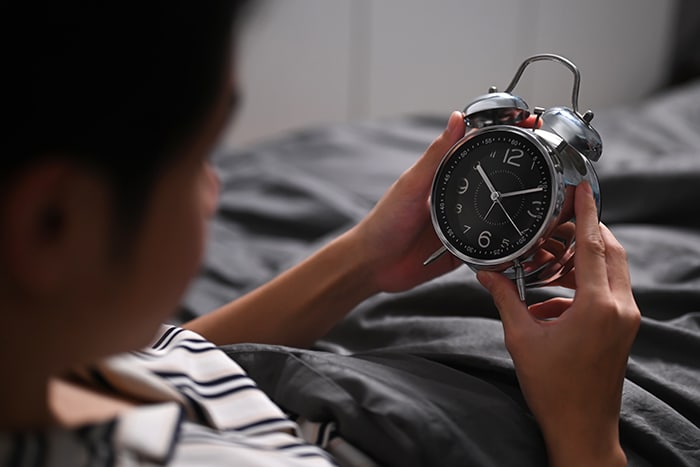
Try to go to bed and wake up at roughly the same time each day, including weekends. Consistency can help support a healthier sleep-wake cycle.
Create a Relaxing Bedtime Routine
Think of a bedtime routine as a signal to your brain that the day is winding down.
Some people enjoy:
- Reading a book
- Listening to soft music
- Taking a warm shower
- Gentle stretching
- Practicing mindfulness exercises
The goal is to choose activities that help you feel calm rather than stimulated.
Limit Stimulants Before Bed
That afternoon coffee or late-night energy drink may seem harmless, but stimulants can stay in your system longer than you might expect.

Caffeine, nicotine, and other stimulants can make it harder to fall asleep. Some people may also find that large meals or sugary snacks close to bedtime affect their ability to rest comfortably.
Make Your Bedroom Comfortable
The space where you sleep can play a bigger role in sleep quality than many people realize. Even if you’re tired, your environment can make relaxation difficult.
A cool, dark, and quiet room can make it easier to fall asleep and stay asleep. Blackout curtains, white noise machines, or fans may help reduce distractions. If you frequently wake up feeling hot during the night, choosing a mattress designed for cooling may be the answer.
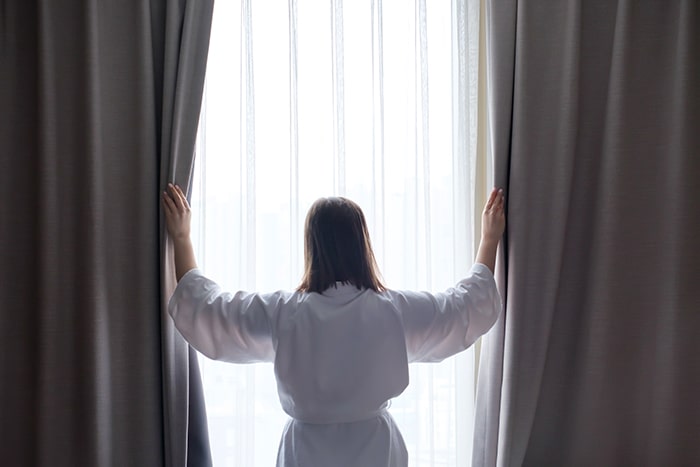
An old or unsupportive mattress may also contribute to discomfort throughout the night, making it harder to relax fully. Choosing a mattress that matches your sleep preferences and comfort needs can help create a more inviting sleeping space. If you’re considering a replacement, browsing mattress reviews can help you compare different options and find a mattress that suits your needs.
Use Your Bed Primarily for Sleep
Many people use their bed as an office, study space, entertainment center, and sleeping area all in one.
When possible, try to reserve your bed for sleeping rather than working, studying, or scrolling on your phone. Over time, this can help your brain associate your bed with rest rather than activity. Sharing a bed with a partner can complicate matters, increasing disruptions caused by movement during the night. Make sure your mattress is large enough for two.
Avoid Watching the Clock
It often starts with a quick glance at the time. Then another. And another.
Before long, you may find yourself worrying about how many hours of sleep you have left, which can make falling asleep even harder.
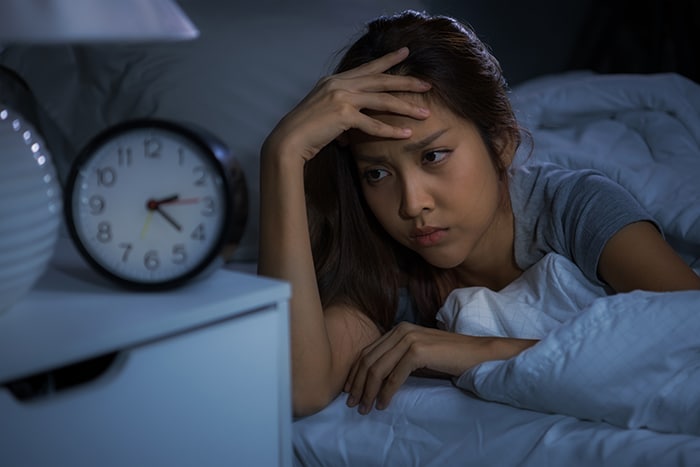
If possible, turn your clock away from view and focus on relaxing rather than calculating how much sleep you have left.
Practice Deep Breathing
When your thoughts are racing, focusing on your breathing can give your mind something else to concentrate on.
Try breathing in slowly through your nose, holding briefly, and then breathing out gently through your mouth. Focusing on your breathing may help redirect attention away from racing thoughts.
Don’t Let Anxiety and Sleep Problems Become Ingrained
Most people go through periods when stress makes it harder to sleep. A busy week at work, a major life change, or an upcoming event can occasionally lead to a restless night or two.
The challenge is when those restless nights start becoming the norm rather than the exception. Over time, ongoing anxiety and poor sleep can affect your energy levels, mood, concentration, and overall sense of well-being.

Understanding the connection between anxiety and sleep is often the first step toward recognizing patterns in your sleep habits. Once you see how the two can influence one another, it may become easier to make adjustments that support better rest.
Additional Resources for Quality Sleep
- National Sleep Foundation
- Centers for Disease Control and Prevention (CDC) Sleep and Sleep Disorders
- National Institute of Mental Health (NIMH)
- American Academy of Sleep Medicine
- MedlinePlus Sleep Health
- Sleep Education
- National Heart, Lung, and Blood Institute
- Mental Health America
- Anxiety and Depression Association of America
- Healthy Sleep Resources