Home should be a place of comfort, familiarity, and independence. For people living with vision loss, a few thoughtful adjustments can make everyday activities easier and help create a safer, more accessible environment.
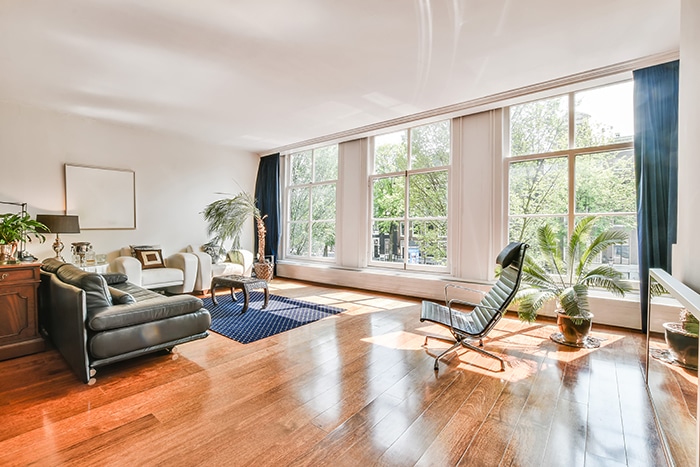
From improving lighting to using color contrast and reducing clutter, small changes throughout the home can support confidence and make daily routines more manageable.
Bedrooms and Closets
The bedroom should be a place of rest and comfort.
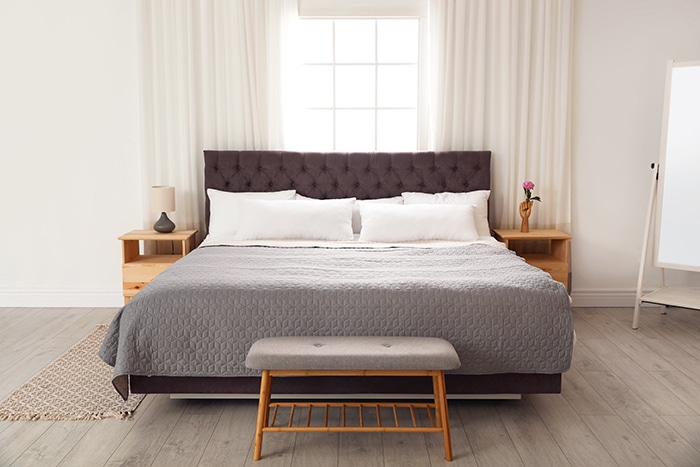
A few thoughtful adjustments can make it easier to find everyday essentials, move around safely, and maintain independence.
- Choose a bedside lamp with a touch-sensitive base or clap-activated feature for easier access at night.
- Place adjustable task lighting near areas used for reading, selecting clothing, or organizing medications.
- Add battery-operated lights inside closets to make clothing and personal items easier to locate.
- Keep frequently used items, such as eyeglasses, medications, and tissues, in a bedside organizer within easy reach.
- Secure lamps and other lighting fixtures to help prevent accidental bumps or falls.
- A comfortable and supportive sleep environment is equally important. Assess the best mattress option for your comfort, mobility, and accessibility needs.
Color and Contrast Principles
Color and contrast can play an important role in making everyday spaces easier to navigate.
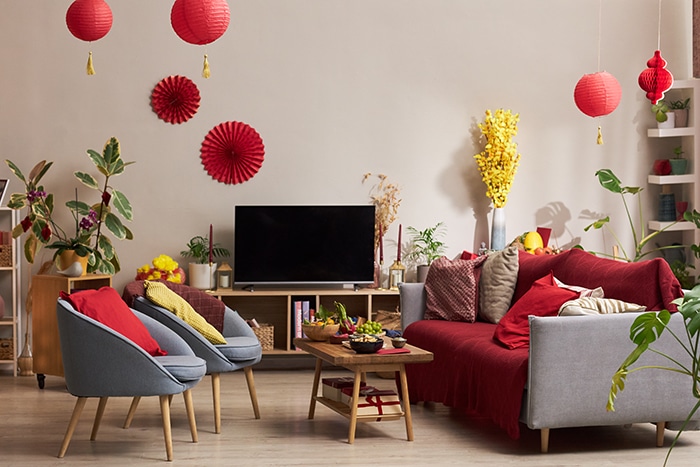
Thoughtful use of contrasting colors can help important objects, furniture, and pathways stand out more clearly within the home.
- Bright, solid colors such as red, orange, and yellow are often easier to distinguish because they reflect more light.
- Some individuals with low vision may find it more difficult to tell apart certain color combinations, including:
- Navy blue, brown, and black
- Blue, green, and purple
- Pink, yellow, and pale green
- Place light-colored objects against darker backgrounds whenever possible to improve visibility.
- Position darker items against lighter surfaces to help them stand out more clearly.
- Use contrasting colors throughout the home to make furniture, fixtures, and walking paths easier to identify.
In the Bathroom
Bathrooms can present unique challenges for individuals with vision loss. Wet surfaces, hard fixtures, and limited space can increase the risk of slips and falls and other everyday frustrations.
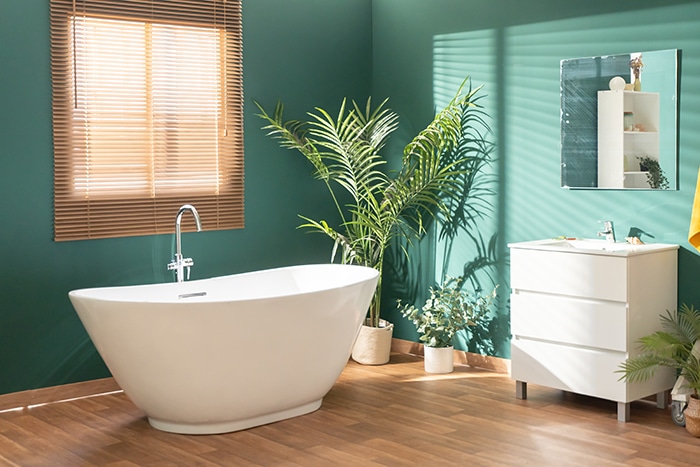
Thoughtful use of color contrast can make important features easier to identify and help create a safer, more comfortable environment.
- Choose towels, washcloths, and bath mats that contrast with surrounding walls, floors, and fixtures.
- Place a brightly colored sponge in the bathtub to help monitor water levels and reduce the risk of overflow.
- Store shampoos, soaps, and personal care products in containers that contrast with the surrounding environment.
- Consider using soap-on-a-rope or a wash mitt with a built-in soap pocket to make soap easier to locate.
- Add contrasting tape or a highly visible bath mat to make the edge of the tub easier to identify.
- Replace a standard toilet seat with a color that clearly contrasts with nearby fixtures and walls.
Kitchen and Dining Areas
The kitchen is often one of the busiest areas of the home, but it can also present unique challenges for individuals with vision loss. Preparing meals frequently involves working with sharp utensils, hot surfaces, and appliances that may be difficult to distinguish from their surroundings.
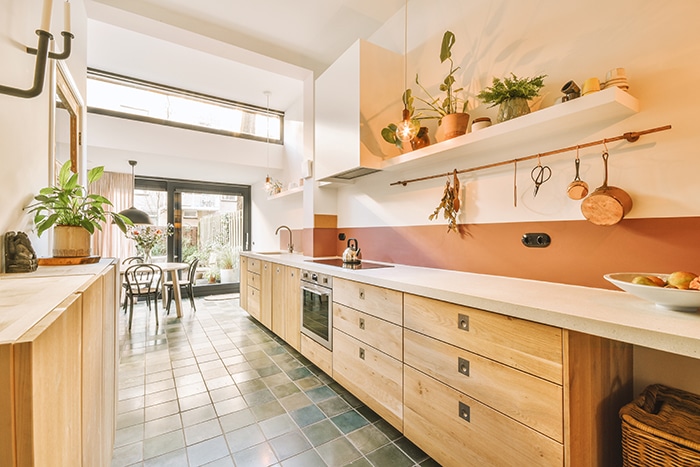
Improving contrast and reducing glare can make everyday tasks safer and more manageable.
- Use dark table linens with light-colored dishes, or light table linens with darker dishes, to improve contrast.
- Avoid clear plates, bowls, and drinking glasses when possible.
- Apply brightly colored tape to cabinet edges and drawer pulls to make them easier to see.
- Paint cabinets in colors that stand out from surrounding walls and countertops.
- Replace cabinet hardware with handles that provide stronger visual contrast.
- Add raised tactile markers to stove, oven, and microwave controls.
- Use contrasting tape on cookware handles to improve visibility.
- Minimize glare by using matte placemats, non-glossy tablecloths, and low-glare floor finishes.
- A reversible black-and-white cutting board can make food preparation safer by providing contrast for different ingredients.
In the Living Room
Living rooms often serve as spaces for relaxation, hobbies, and spending time with family and friends.
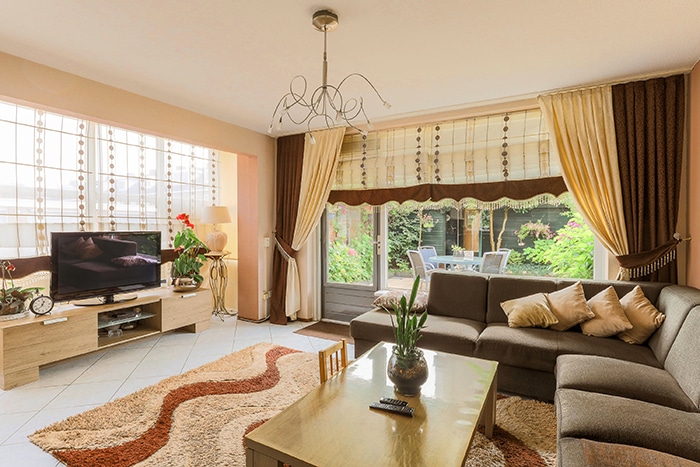
Thoughtful lighting and furniture placement can help make these shared spaces more comfortable and easier to navigate throughout the day.
- Take a moment to assess whether the room feels too dim, too bright, or unevenly lit.
- Improve visibility by adding lamps, repositioning existing fixtures, or using brighter bulbs within manufacturer recommendations.
- Install dimmer switches to adjust lighting levels based on the time of day and activity.
- Position reading chairs and seating areas where they can benefit from natural sunlight whenever possible.
- Reduce glare on television screens by adjusting their placement within the room.
Lighting, Glare, and Windows
Good lighting can make a meaningful difference in how comfortable and accessible a home feels.
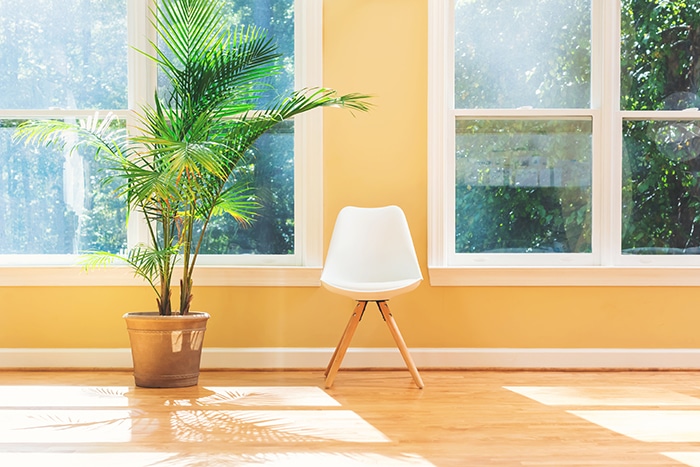
Consistent illumination, reduced glare, and well-lit pathways can help individuals or couples with vision loss move more confidently through their living spaces and perform everyday tasks with greater ease.
- Try to maintain consistent lighting levels throughout the home.
- Add supplemental lighting in hallways, entryways, and stair landings to reduce shadows and improve visibility.
- Use overhead lighting for general illumination and task lighting for activities such as reading, writing, and meal preparation.
- Flexible-arm lamps can provide focused lighting exactly where it is needed most.
- Install nightlights to create illuminated pathways between rooms during nighttime hours.
- Use dimmer switches to customize lighting levels and help reduce glare.
- Window treatments such as blinds and vertical shades can help manage direct sunlight throughout the day.
- Choose light-colored, translucent lamp shades that allow light to pass through without creating excessive glare.
Steps and Stairways
Changes in elevation can be difficult to identify, especially in low light or unfamiliar environments.
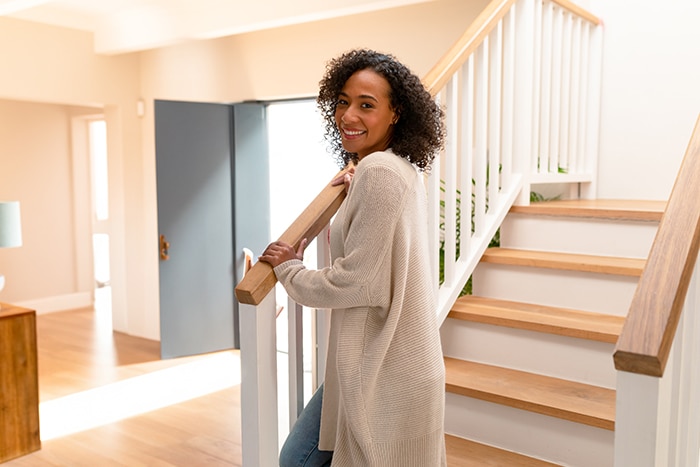
Improving visibility and adding tactile cues can help make stairways easier to navigate for people with back pain or limited mobility, reducing the risk of trips and falls.
- Mark the edges of the first and last steps using highly visible paint or reflective tape.
- Use carpeting or textured materials on stair landings to create contrast with stair treads.
- Paint handrails in colors that clearly stand out from surrounding walls and flooring.
- Add tactile markers to handrails at the top and bottom of staircases to provide advance warning of changes in elevation.
- Use brightly colored or textured hallway runners to help define walking paths.
Additional Resources
- American Foundation for the Blind VisionAware Resources
- National Federation of the Blind Resources for Blind Individuals
- Hadley Workshops and Learning Programs
- Perkins School for the Blind Educational Resources
- National Eye Institute (NEI) – Low Vision
- Prevent Blindness – Living Well With Low Vision
- National Council on Aging (NCOA) – Safety Tips for Older Adults Living with Vision Loss
- Glaucoma Foundation – Safer Home for Vision Impairments
- Home Safety & Modifications for the Visually Impaired
- National Institute on Aging (NIH) – Home Safety Tips for Older Adults