It usually starts with a closet cleanout, a move, or a long-overdue trip to the garage. A pair of shoes no longer fits. The towels have seen better days. A chair sits unused in the corner, collecting dust. Before long, there’s a growing pile of items that need to go somewhere.
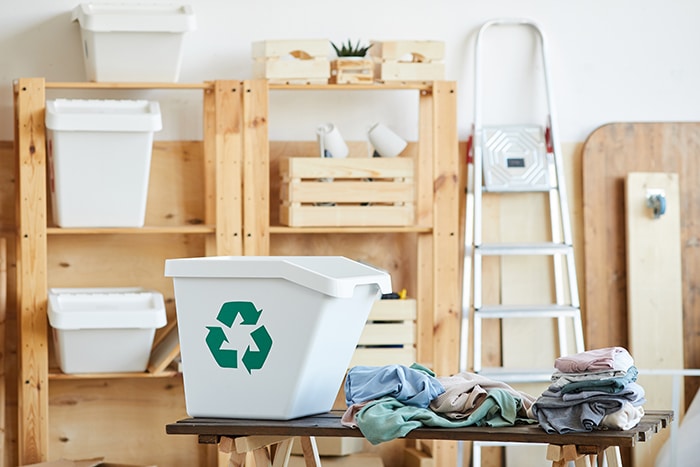
Many people assume these items belong in the trash, but clothing, bedding, furniture, and other household goods often have options beyond the landfill. Some can be donated, some can be repaired, and others can be recycled into new products.
Why a Second Life Matters
Before a shirt, blanket, or chair reaches a landfill, there may be several opportunities to keep it in use, whether through donation, repair, resale, or recycling. Giving these items a second life can benefit communities, reduce disposal costs, and help make use of materials that might otherwise be thrown away.

Some of the benefits include:
- Reducing the amount of waste sent to landfills.
- Helping conserve raw materials used to manufacture new products.
- Supporting charitable organizations through donations.
- Creating jobs in the collection, sorting, repair, and recycling industries.
- Extending the useful life of household goods.
- Reducing disposal costs for households and communities.
You Might Be Able to Recycle More Than You Think
When people think about textile recycling, they often picture old clothing. In reality, many collection programs accept a much wider range of household items.

Common examples other than clothing include:
- Footwear, including sneakers, boots, sandals, and slippers
- Household linens such as sheets, blankets, comforters, pillowcases, and towels
- Home textiles, including curtains, table linens, and some rugs
- Soft household items such as stuffed animals, backpacks, and handbags
An item doesn’t always need to be in perfect condition to qualify. Some programs accept textiles with stains, missing buttons, or broken zippers as long as they are clean, dry, and free of strong odors.
Before You Leave It at the Curb
Furniture is often one of the biggest challenges during a home cleanout, particularly for families that have accumulated a lifetime’s worth of items. A worn desk, an unused bookshelf, or an old patio chair may seem destined for the trash, but many of these items can still be donated, repaired, or recycled.
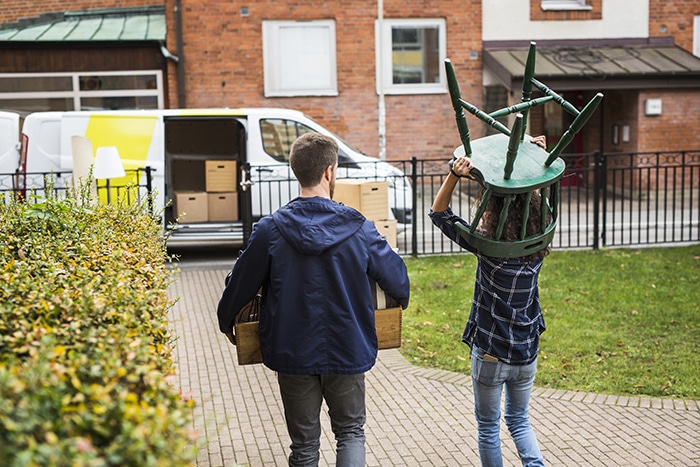
Donation centers and reuse organizations frequently accept household furniture in usable condition, including tables, chairs, mattresses, shelving units, cabinets, and bed frames. Some organizations are willing to take pieces that need minor repairs or refinishing, especially if the structure is still sound.
Before arranging a pickup or loading furniture into a vehicle, take a few minutes to prepare it. Empty drawers, remove personal belongings, and check cushions, storage compartments, and pockets for overlooked items. It’s also a good idea to identify whether the piece is primarily wood, metal, plastic, or upholstered fabric, since different recycling programs may have different requirements.
Because acceptance policies vary, contacting the organization beforehand can save time and prevent an unnecessary trip.
When Donation Isn’t an Option
Items that are wet, moldy, heavily soiled, or contaminated with oil and grease are commonly rejected for donation because they can damage other goods while in storage. Furniture affected by pests such as bedbugs may also decline, even if it appears to be in good condition.
Some programs place restrictions on large rugs, carpeting, or furniture that has extensive structural damage. Since acceptance rules vary from one organization to another, it’s always worth checking local guidelines before loading items for donation or recycling.
So, Where Does It Go?
Once you’ve decided an item is ready to leave your home, the next step is finding the right destination. Depending on your community, textiles and furniture may be accepted through:
- Charitable organizations
- Thrift stores
- Consignment shops
- Community drop-off bins
- Textile collection programs
- Local recycling programs
- Bulk waste collection events
- Scrap metal recycling facilities
- Reuse centers
Many communities also offer special collection services for bulky items that cannot be placed in curbside recycling bins or may cause injury to the regular trashmen.

Some household products require separate disposal or recycling programs. Metal furniture, for example, may have different recycling requirements compared to wooden items. Before getting rid of one, it can be helpful to review local guidelines and understand your available recycling options.
Making Household Items Last Longer
Recycling is an important part of reducing waste, but it’s often the final step rather than the first. Many textiles and furniture items can remain useful for years through repair, donation, resale, or regular maintenance.

If you’re looking to reduce household waste, consider:
- Repairing damaged clothing and household textiles
- Donating items that are still usable
- Shopping secondhand before buying new
- Maintaining furniture to extend its lifespan
- Choosing durable products that are built to last
When replacing larger household items, taking time to compare quality, materials, expected lifespan, and comfort can help you make a purchase that lasts longer and needs to be replaced less often.