Sleep is a foundational biological process that supports nearly every system in the body. Despite this, modern schedules, stress, and digital habits have made insufficient sleep increasingly common. Cutting back on rest may feel manageable in the short term, but over time, it affects emotional balance, cognitive performance, immune function, and physical recovery.

Sleep is not simply a pause between waking hours. It is an active state during which the brain and body carry out essential maintenance that cannot occur while awake. Understanding how sleep supports both mental and physical health provides a clearer picture of why consistent, high-quality rest matters at every stage of life.
Sleep and Mental Health
Sleep plays a critical role in emotional regulation and psychological stability. During sleep, the brain processes emotional experiences, reduces stress reactivity, and helps maintain balanced mood responses. When sleep is shortened or disrupted, emotional regulation becomes less effective, making everyday challenges feel more intense.
Insufficient sleep is commonly associated with:
- Heightened anxiety and emotional sensitivity
- Increased irritability and mood instability
- Reduced tolerance for stress
Neurological research shows that sleep deprivation increases activity in brain regions responsible for fear and threat detection. As a result, emotional reactions may become exaggerated, even in low-stress situations. Over time, persistent sleep disruption can contribute to the development or worsening of anxiety and depressive disorders.
Cognitive Function, Attention, and Memory
Sleep is essential for learning, memory consolidation, and executive function. During deep stages of sleep, the brain organizes information gathered throughout the day, strengthening neural pathways that support long-term memory and recall. This process improves attention, learning efficiency, and problem-solving ability.

Adequate sleep supports:
- Focus and sustained attention
- Memory retention and recall
- Judgment and decision-making
When sleep is consistently limited, cognitive performance declines. Reaction times slow, concentration becomes fragmented, and mental flexibility decreases. Chronic sleep deprivation has also been linked to long-term cognitive decline, particularly as people age.
Sleep Disorders and Psychological Well-Being
Sleep disorders are closely connected to mental health conditions. Insomnia frequently occurs alongside anxiety and depression, and the relationship works in both directions. Poor sleep can worsen emotional distress, while ongoing psychological stress can make it harder to fall or stay asleep.
Addressing sleep difficulties often leads to meaningful improvements in overall mental well-being. Evidence-based approaches such as cognitive behavioral therapy for insomnia focus on improving sleep patterns, reducing anxiety around sleep, and restoring healthy sleep cycles without relying on long-term medication.
Sleep and Immune System Function
Sleep is a key component of immune health. During sleep, the body releases signaling proteins that help regulate immune responses and control inflammation. These processes strengthen the body’s ability to fight infection and recover from illness.

Chronic sleep deprivation can:
- Reduce immune response efficiency
- Increase susceptibility to illness
- Slow recovery from infections
Population-level studies show that individuals who consistently sleep fewer than six hours per night are more likely to develop respiratory infections compared to those who sleep longer.
Cardiovascular Health and Sleep
Sleep provides essential recovery time for the cardiovascular system. During deep sleep, heart rate and blood pressure naturally decline, reducing strain on blood vessels and supporting long-term heart health.
Insufficient sleep has been linked to:
- Elevated blood pressure
- Increased vascular inflammation
- Higher risk of heart disease and stroke
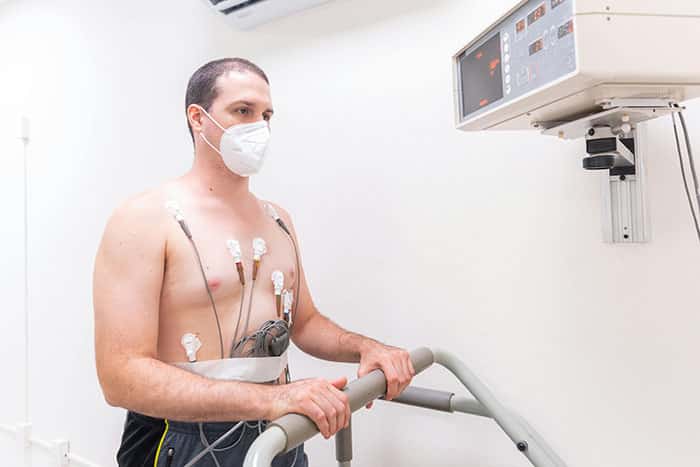
Because of these associations, sleep duration and quality are increasingly recognized as important contributors to cardiovascular risk management.
Metabolism, Weight Regulation, and Energy Balance
Sleep plays a direct role in metabolic regulation and is therefore an important consideration for people aiming to lose weight. Inadequate sleep disrupts hormones that control appetite and satiety, increasing hunger while reducing feelings of fullness. This imbalance can make maintaining a healthy diet more difficult.
Sleep restriction has also been shown to impair glucose metabolism, increasing the risk of insulin resistance and metabolic disorders. Even short periods of reduced sleep can negatively affect how the body processes energy.
Physical Recovery and Musculoskeletal Health
Sleep is essential for physical repair and recovery. During deep sleep, the body releases growth hormone, which supports muscle repair, tissue regeneration, and bone health. This process is important not only for athletes but for anyone engaging in daily physical activity.

Without sufficient sleep:
- Muscle recovery slows
- Fatigue accumulates
- Injury risk increases
Over time, chronic sleep deprivation can contribute to persistent soreness, reduced physical performance, and slower healing from injuries. This point is particularly relevant for people who suffer from back pain.
Understanding the Sleep Cycle
Sleep occurs in repeating cycles that include light sleep, deep sleep, and REM sleep. Each stage supports different aspects of mental and physical health. Deep sleep is most closely associated with physical restoration, while REM sleep supports emotional processing and memory integration.
Most adults complete four to six sleep cycles per night. Disruptions that prevent reaching deeper stages can result in non-restorative sleep, even when total sleep time appears sufficient.
How Much Sleep Is Enough?
Sleep needs vary from person to person, but research consistently shows that most adults perform best with seven to nine hours of sleep per night. The exact amount required can be influenced by genetics, daily stress levels, marital status, physical activity, work schedules, and underlying health conditions. Life stages and recovery demands also matter, with periods of illness, intense mental effort, or increased physical exertion all influencing the body’s need for rest.

When sleep is consistently insufficient, the effects often appear gradually rather than all at once. Common signs include:
- Persistent daytime fatigue or low energy
- Difficulty concentrating or maintaining focus
- Increased irritability or noticeable mood changes
Paying attention to these signals can provide early insight into whether current sleep habits are meeting the body’s needs. Adjusting routines instead of ignoring ongoing fatigue can support better long-term physical health, emotional balance, and cognitive performance.
Improving Sleep Quality Through Healthy Habits
Sleep quality is strongly influenced by daily routines and the environment. Consistent schedules, reduced evening stimulation, and comfortable sleep surfaces all contribute to better rest.
Physical comfort and proper body support also play an important role in sleep quality, which is why properly assessing a sleep setup supports consistent, healthy, and restorative rest.

Helpful practices include:
- Keeping consistent sleep and wake times
- Limiting screen exposure before bed
- Maintaining a dark, quiet, cool sleep environment
- Staying physically active during the day
Evaluating sleep comfort and support can also be useful when assessing overall sleep quality over time.
Why Sleep Matters for Long-Term Health
Sleep supports emotional balance, cognitive performance, immune function, cardiovascular health, and physical recovery. Although modern routines often push rest aside, prioritizing consistent, high-quality sleep remains one of the most effective ways to support long-term mental and physical well-being.
A clearer understanding of how sleep affects both the body and the mind allows people to make informed choices that promote resilience, recovery, and overall health at every stage of life.